Workshop hardware
Sized, rated, and stated.
Fasteners, brass fittings, hand tools and the things to keep them in. Every part publishes its material and grade, its exact size and weight, its finish and tolerance — and what it is not rated for, which is the part most catalogues leave out.
Free shipping over $75 · Ships in 3–5 business days · All prices in USD
Sized and rated
Exact thread, grade, dimension and weight on every part. No mystery assortments.
And what it is not for
Load limits, pressure limits and potable-water exclusions, stated on the page.
Packed still sorted
Assortments ship in their trays. An assortment that arrives mixed is useless.
30-day returns
Unused and complete, on a prepaid label. No restocking fee.
What a bench runs on
A place to start


The specification
Three things every product page tells you.
Most hardware is sold by the photograph and the price. We would rather tell you it is A2 stainless, M6×25, DIN 912, that it will gall if you drive it dry, and that it is not rated for anything you hang a load off.
Read the materials- Material and grade
- Not 'steel' — medium-carbon steel with a clear zinc electroplate, or A2 austenitic stainless. The grade decides whether it survives outdoors, and it is the number most sellers omit.
- Exactly what size
- Thread, length, across-flats, drive size and weight, in real units. Enough to order the right thing once instead of the wrong thing twice.
- What it is NOT rated for
- Load limits, pressure limits, potable-water exclusions, galvanic pairings. Hardware rarely arrives broken — it arrives correct and gets used outside what it was sold for.
6 categories, 19 parts
By category
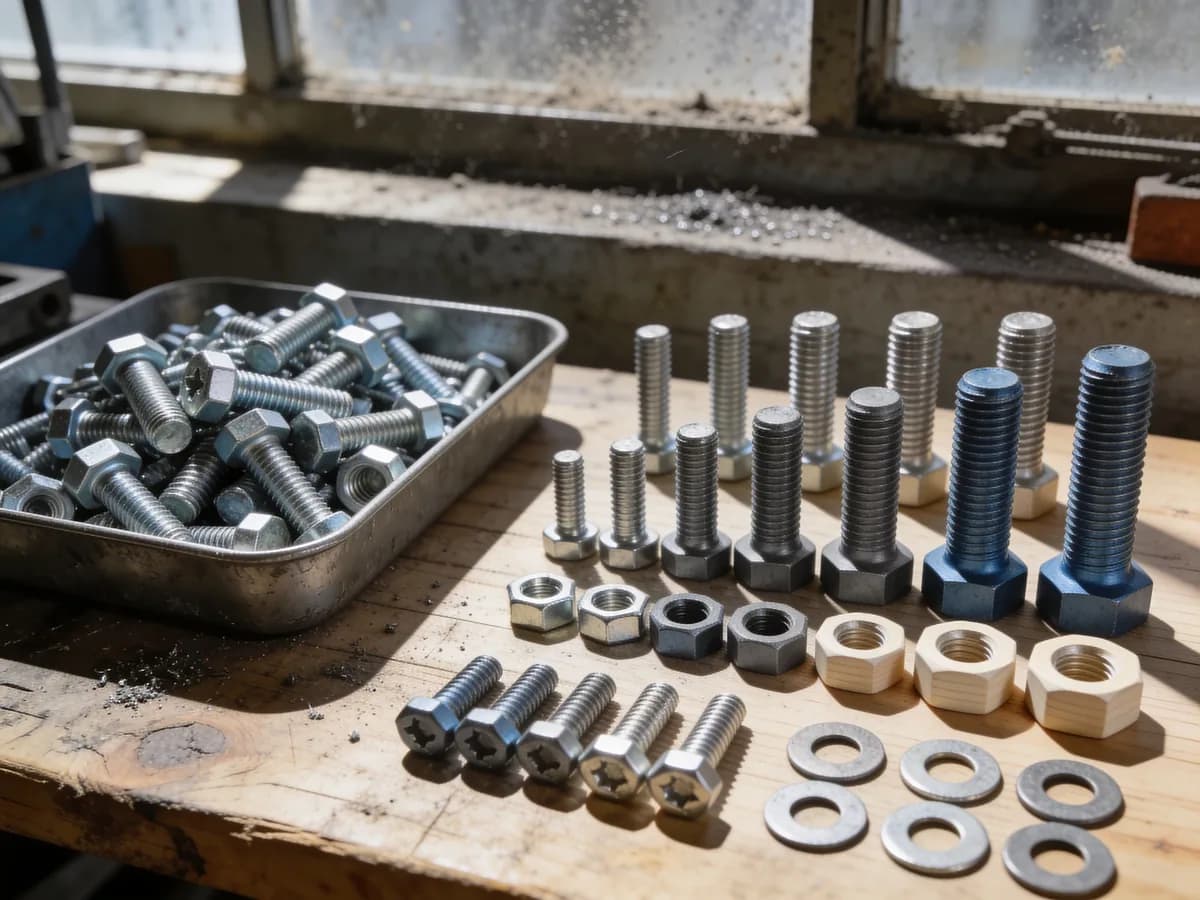
Fasteners
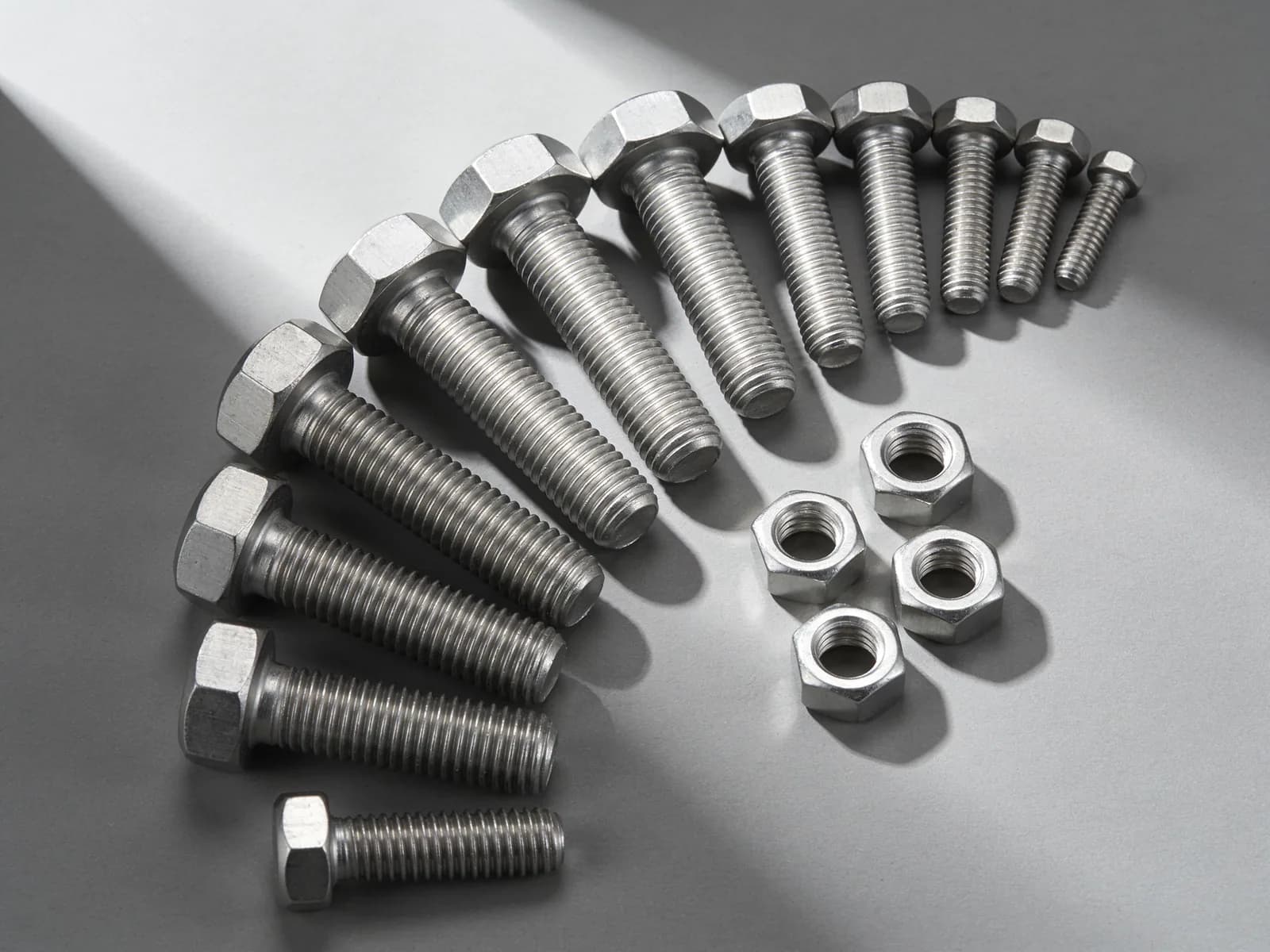
Bolts, screws, nuts and washers in zinc-plated steel, stainless and solid brass. Every assortment states its exact thread sizes and counts — no mystery boxes.
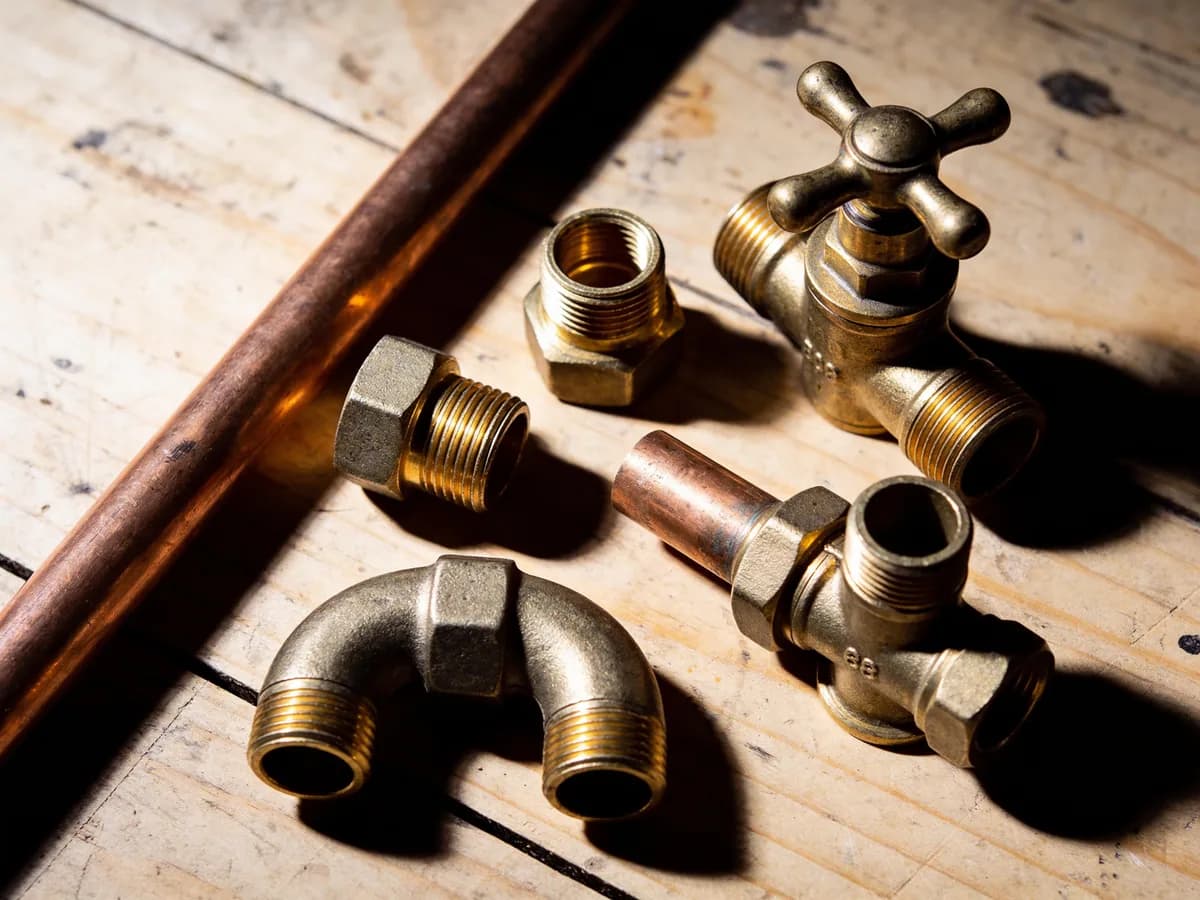
Brass & Fittings
Unlacquered solid brass unions, compression fittings and bib taps. Machined, not cast-and-plated, and they will develop a patina.
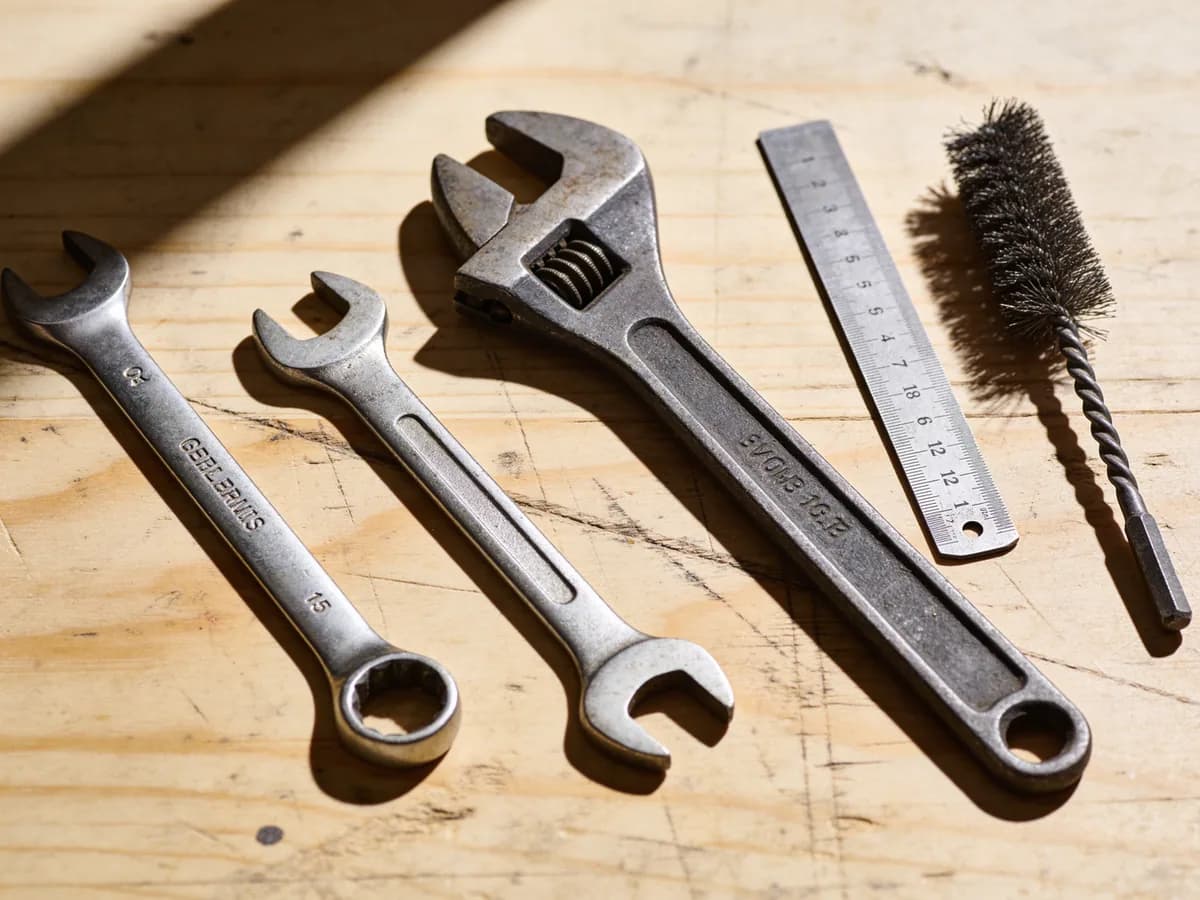
Hand Tools
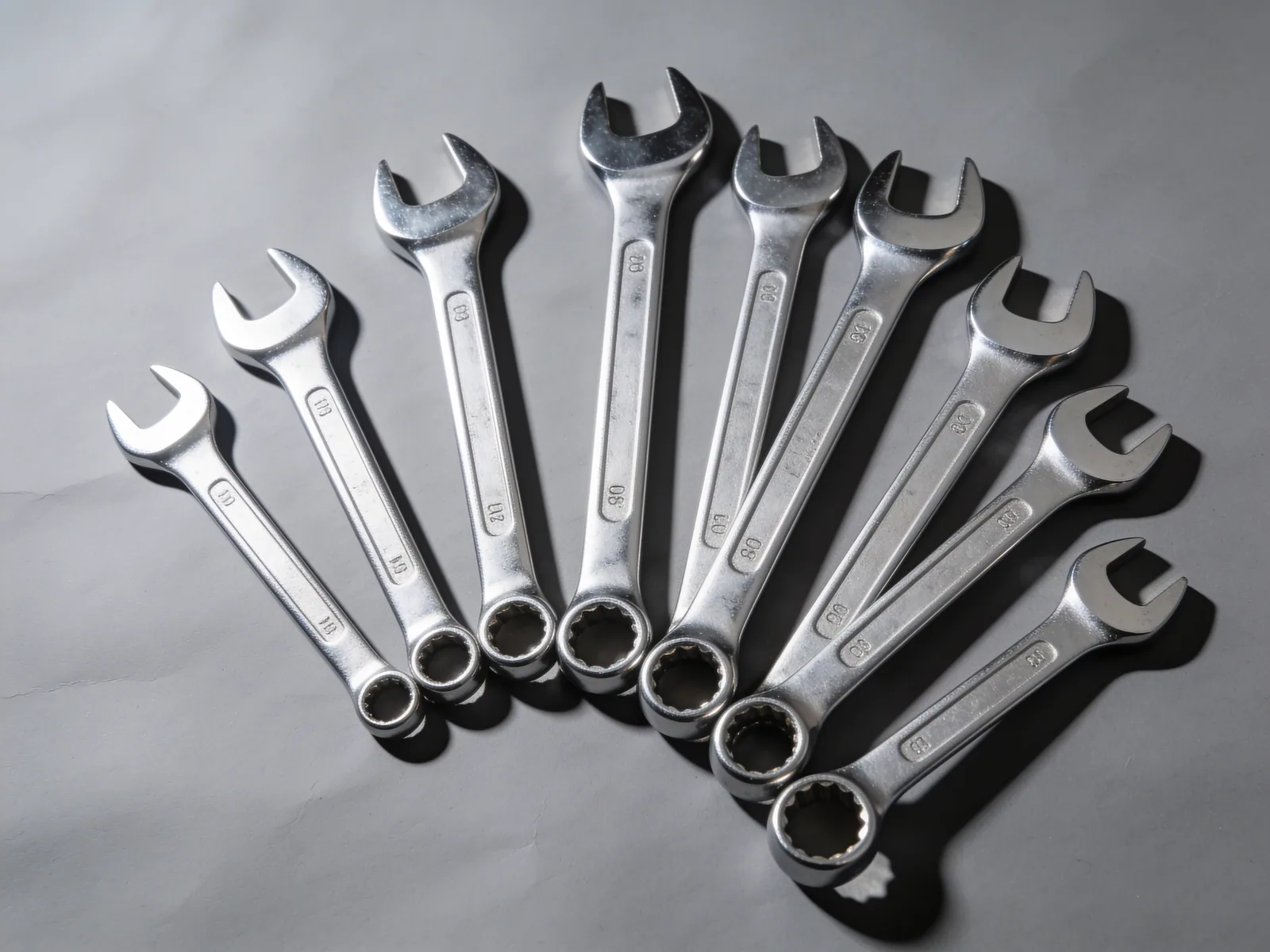
Forged steel wrenches, spanners, rules and brushes. Chosen because they are serviceable and because the jaws hold their tolerance.
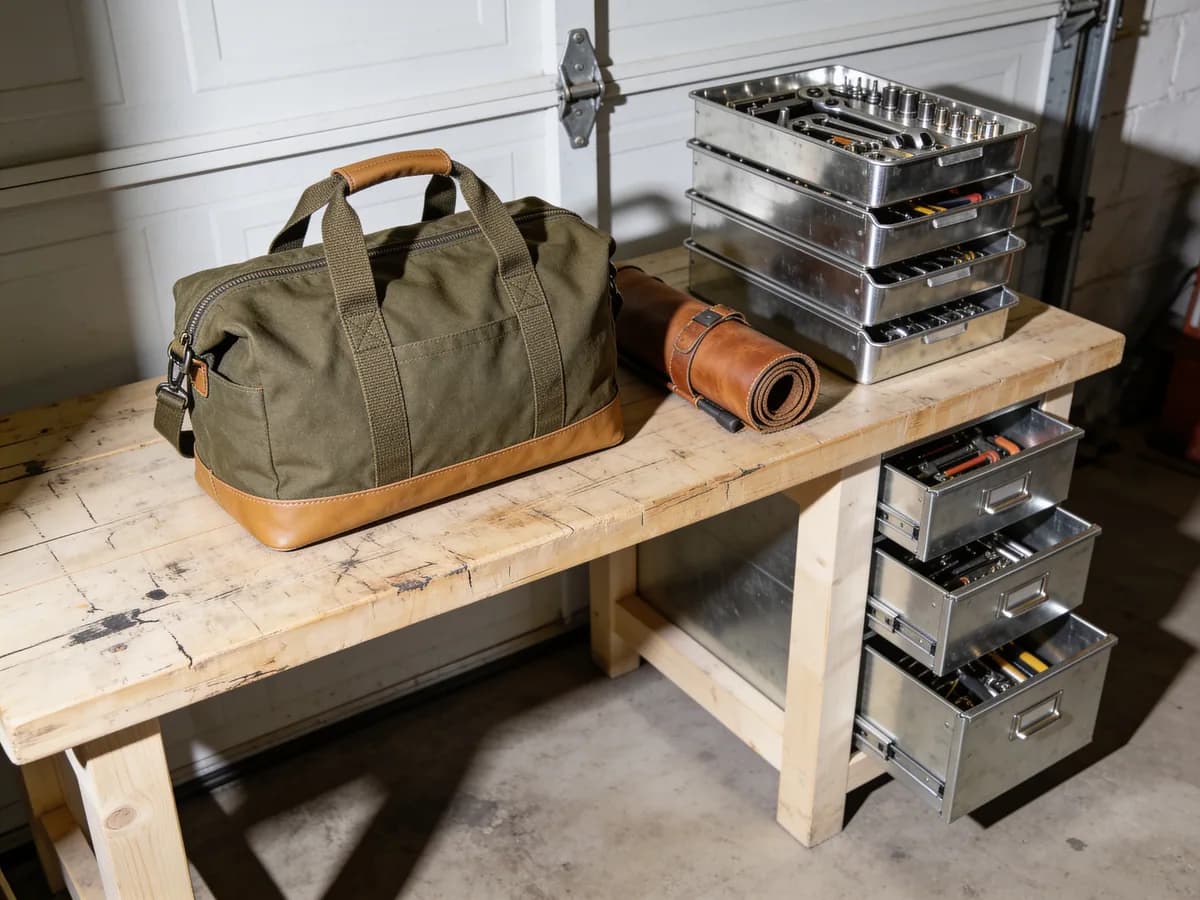
Storage & Carry
Leather tool rolls, waxed canvas bags, steel trays and stacking drawers. Things to put the hardware in once you own it.
Shop Supplies
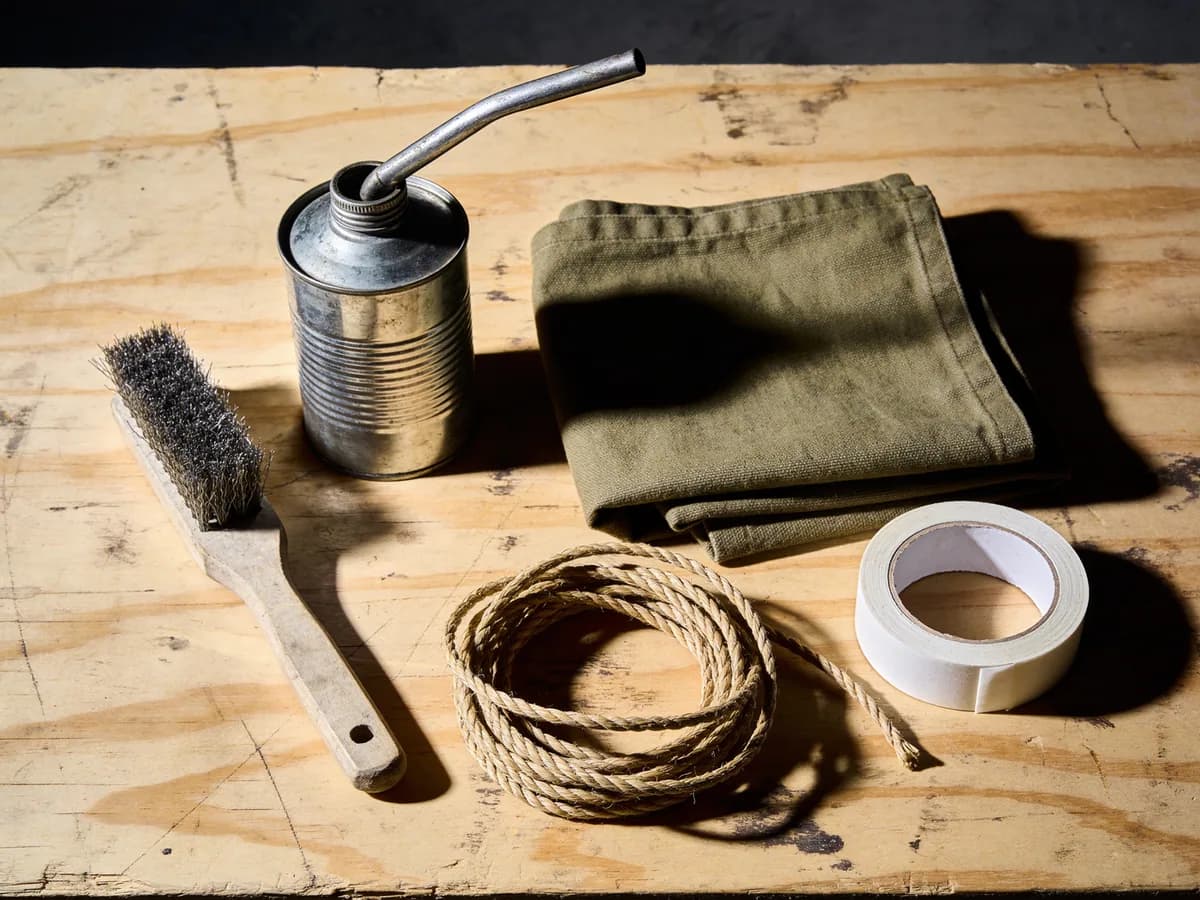
Oil, brushes, cloth and twine. The consumables a bench runs through and nobody remembers to reorder.
Kits
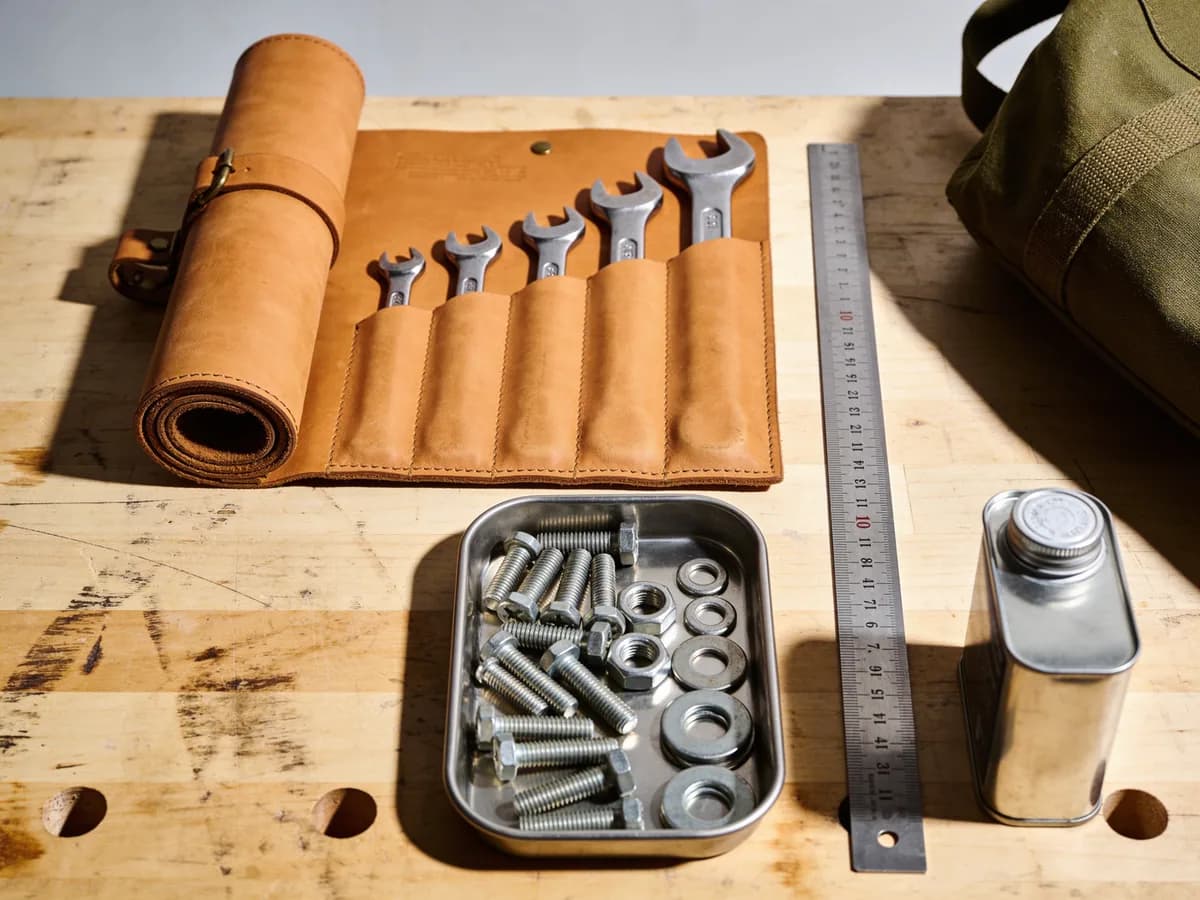
Assembled sets, priced below the sum of their parts. Every kit lists exactly what is inside it and what each piece costs separately.
How a part gets listed
Specified, sampled, measured, listed.
This is a new shop, so we cannot tell you a story about decades of trade. What we can tell you is exactly how a part gets into the catalogue, which is more useful anyway.
- 1
Specify
The grade, thread, finish and tolerance get written down before anyone is asked to quote. A specification written after the sample arrives is just a description of whatever turned up.
- 2
Sample
Three suppliers, same specification, no names on the boxes. It is remarkable how often the cheapest and the dearest come out of the same factory.
- 3
Measure
Thread gauge, hardness file, and a coating thickness gauge on the plated parts. Plating is where a fastener is quietly cheapened, because you cannot see it and it fails a year later.
- 4
List
The measured numbers go on the page — including the limits. If a part cannot carry a stated limit honestly, it does not get listed at all.
7 materials
Seven materials, and what each one does badly.
Zinc plate is cheap and sacrificial. Stainless resists corrosion and galls. Brass will not rust and shears under load. Cast iron is rigid and cracks. Knowing the weakness is what lets you pick correctly.
How each one behavesZinc-Plated Steel
Medium-carbon steel with a clear zinc plate. The default general-purpose fastener: strong, cheap and adequately corrosion-resistant indoors. The plating is sacrificial — it protects the steel until it is scratched through.
Stainless Steel
A2 (304) austenitic stainless. Genuinely corrosion-resistant rather than plated, so it survives outdoors and in damp. Slightly softer than plated carbon steel and it will gall if you drive it dry and fast.
Solid Brass
Machined from solid CZ121 bar, not cast and plated. Left unlacquered, so it arrives bright and darkens to a warm brown over weeks. Non-sparking and non-magnetic.
Forged Steel
Drop-forged chrome-vanadium, heat-treated and satin chrome plated. Forging aligns the grain around the jaw, which is why a forged wrench deforms rather than shatters when it finally fails.
Oil-Tanned Leather
Full-grain hide, oil-tanned so it stays supple and sheds water. It scuffs readily and the scuffs burnish out with a thumb. Darkens with handling and does not go back.
Waxed Canvas
Heavy cotton duck, paraffin-waxed. Water-shedding rather than waterproof, and it creases permanently where it folds — that crease pattern is how a bag ends up looking like yours.
Cast Iron
Grey iron, sand-cast and machined on the working faces. Enormously rigid and completely unforgiving: it does not bend under overload, it cracks.
30-day returns
Unused and complete, on a prepaid label we send you. Refunded within 5 business days of reaching us.
Free shipping over $75
Standard delivery in 3–5 business days. Tracking on every order, and no weight surcharge.
Damaged, short or wrong
Email us within 14 days. Replaced or refunded in full including shipping — and we take your word on a short count.